White House Defends H-1B Visa Reforms Amid Fraud Claims and Tech Industry Lawsuits
The White House's staunch defense of H-1B reforms signals ongoing legal battles and a sustained 'Hire American' stance, impacting tech talent acquisition and the future of skilled immigration.

Article Summary
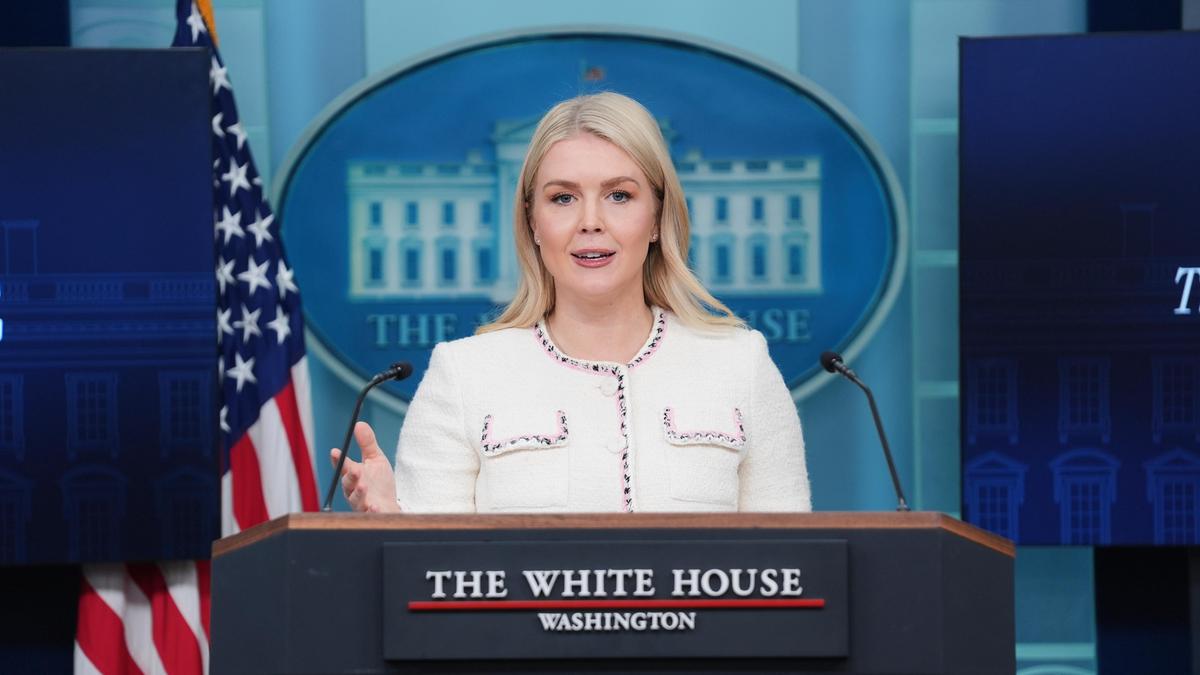
The White House has declared its intent to defend recent H-1B visa reforms in court, asserting the changes are crucial for protecting American workers and combating system fraud. Press Secretary Karoline Leavitt stated the administration views the policies, which include tightening eligibility and altering the lottery system, as lawful and necessary, despite ongoing lawsuits from tech industry groups and universities. These measures are seen as a continuation of a 'Hire American' approach, with significant implications for the U.S. tech sector and U.S.-India economic ties.
[ Sentiment: negative | Tone: factual ]
This summary and analysis were generated by TheNewsPublisher's editorial AI. This content is for informational purposes only; it does not constitute legal or immigration advice.
TNP AI: Key Insights
This staunch defense of H-1B reforms by the White House signals an intensified period of uncertainty for both skilled professionals and employers. For tech companies and startups, the ongoing legal challenges to tightened eligibility criteria and lottery changes could complicate workforce planning and talent acquisition, potentially forcing a reevaluation of international hiring strategies. This reaffirms the administration's commitment to a 'Hire American' policy, building on previous efforts to scrutinize H-1B usage.
The protracted courtroom battle foreshadowed by the White House's stance will be critical for the future of the employment-based immigration landscape, especially given the program's vital role in U.S.-India economic relations. The outcome could significantly impact the availability of high-skilled talent, particularly from India, and influence American competitiveness in the global technology sector, making this a key issue ahead of the 2026 election cycle.


