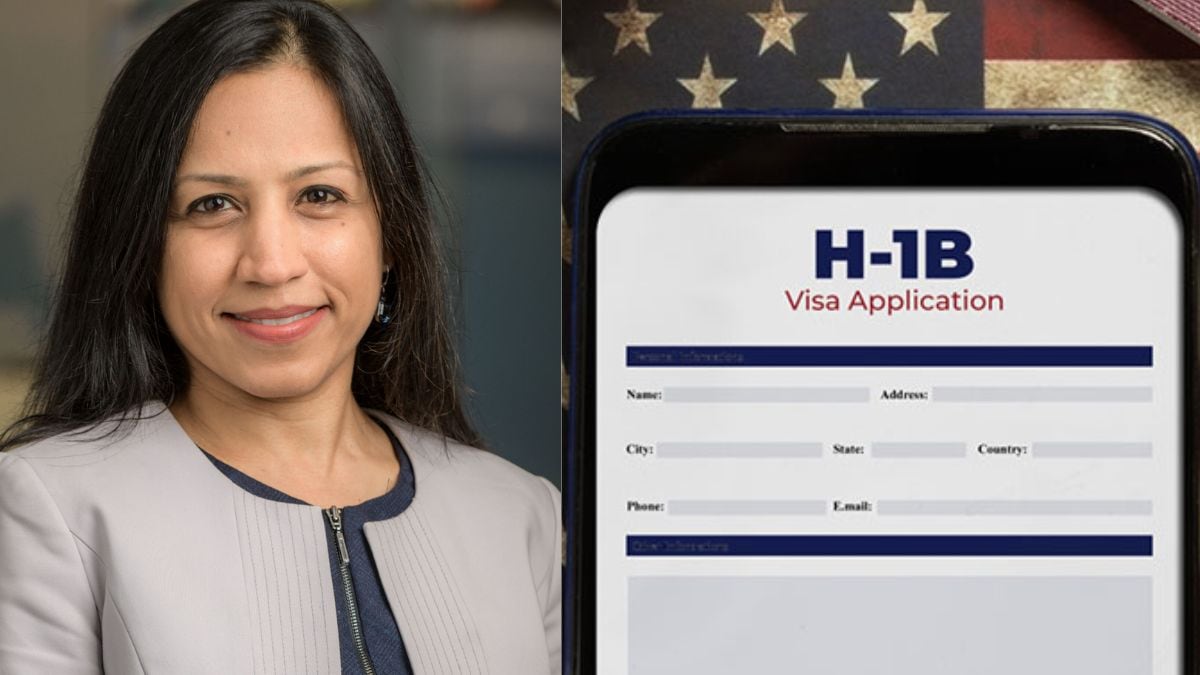
Corporate Leaders: New H-1B Visa Screening Rules Could Disrupt Your Global Workforce
Did you catch this? Are you prepared? A vague State Department announcement just turned into one of the biggest H-1B visa changes in years. A rule that now requires online presence and social media reviews for all H-1B workers and their H-4 dependents.

Here’s How HR and Business Leaders Can Prepare Now
While the change appears administrative, its business impact is not. Even a short delay during visa stamping or renewal can derail delivery schedules, delay deployments, or create sudden project gaps — especially for companies dependent on specialized, high-skill talent.
Most visa-dependent employees already understand the personal implications of this change. The real question is: are corporate leaders prepared?
If you are an H-1B/H-4 applicant or family member impacted by this policy, here’s a clear breakdown of what this change means for you.
👉 employee guidance
Why This Matters for Employers
The expanded security screening means:
- More cases may enter Administrative Processing (221g)
- Stamping appointments may take longer
- Minor discrepancies between forms and public online profiles can cause delays
- Dependents (H-4) are now screened too — and their delays impact the whole family
- Employees traveling abroad this winter or in early 2026 may return later than planned
And for companies with critical delivery timelines, even one unexpected visa delay can create:
- costly contractor extensions
- missed deadlines
- client escalations
- disrupted rotations for onsite/offshore teams
- last-minute project reassignments
- delayed onboarding for promotions or internal transfers
In short: This is now a business continuity issue, not just an immigration issue.
What HR, People Ops & Corporate Leaders Can Do Today
Below are the immediate steps leaders can take to reduce risk and support employees — without adding complexity or legal overhead.
1️⃣ Proactively communicate this policy to all H-1B/H-4 employees
Most employees will not discover this change until they book a visa appointment — often too late to prepare. A simple internal email can prevent weeks of disruption.
2️⃣ Review upcoming travel for H-1B/H-4 employees
Ask managers:
- Who is planning international travel between December–March?
- Who has dependents traveling separately?
- Who has stamping or renewal trips planned for early 2026?
Even purely personal travel can trigger work delays on return.
3️⃣ Encourage employees to audit their public social media presence
They don’t need to delete accounts — only ensure:
- Profiles are set to public
- Basic info aligns with DS-160/DS-5535 answers
- No contradictory or outdated employment details
- No accidental misrepresentation
Consistency matters.
4️⃣ Prepare contingency staffing plans
This includes:
- pairing employees on critical projects
- enabling short-term remote work for employees stuck abroad
- identifying backup resources for high-risk roles
- creating provisional client communication plans
One delayed return should not halt an entire delivery pipeline.
5️⃣ Brief people managers and project owners
Managers should know:
- what may cause delays
- how to mitigate project risk
- who to notify if timelines shift
- how to support employees stuck abroad
Managers are often the first to feel the impact — but the last to be informed.
6️⃣ Coordinate with immigration partners or counsel
Ask them:
- Whether additional review steps are recommended
- What patterns they are seeing in Administrative Processing
- What documentation employees should carry
- How dependents might be impacted
This builds consistency across the organization.
A Proactive Approach Today Prevents Disruption Tomorrow
The State Department frames every visa adjudication as a national security decision, and the new online presence review is another layer of scrutiny that can affect timing — even for routine cases.
Companies that rely heavily on global talent should view this as:
- a workforce planning update
- a travel risk update
- and a business continuity update
—not just an “immigration change.”
Supporting employees through these changes strengthens trust and reduces business risk. A little awareness now can save weeks of disruption later.